Article
Easy Parenting: Noticing Expectations and Being with Your Child
By Phuong Bui
Published
A reading guide to Phương Bùi’s reflections on comparison, expectations and presence in ordinary family life.
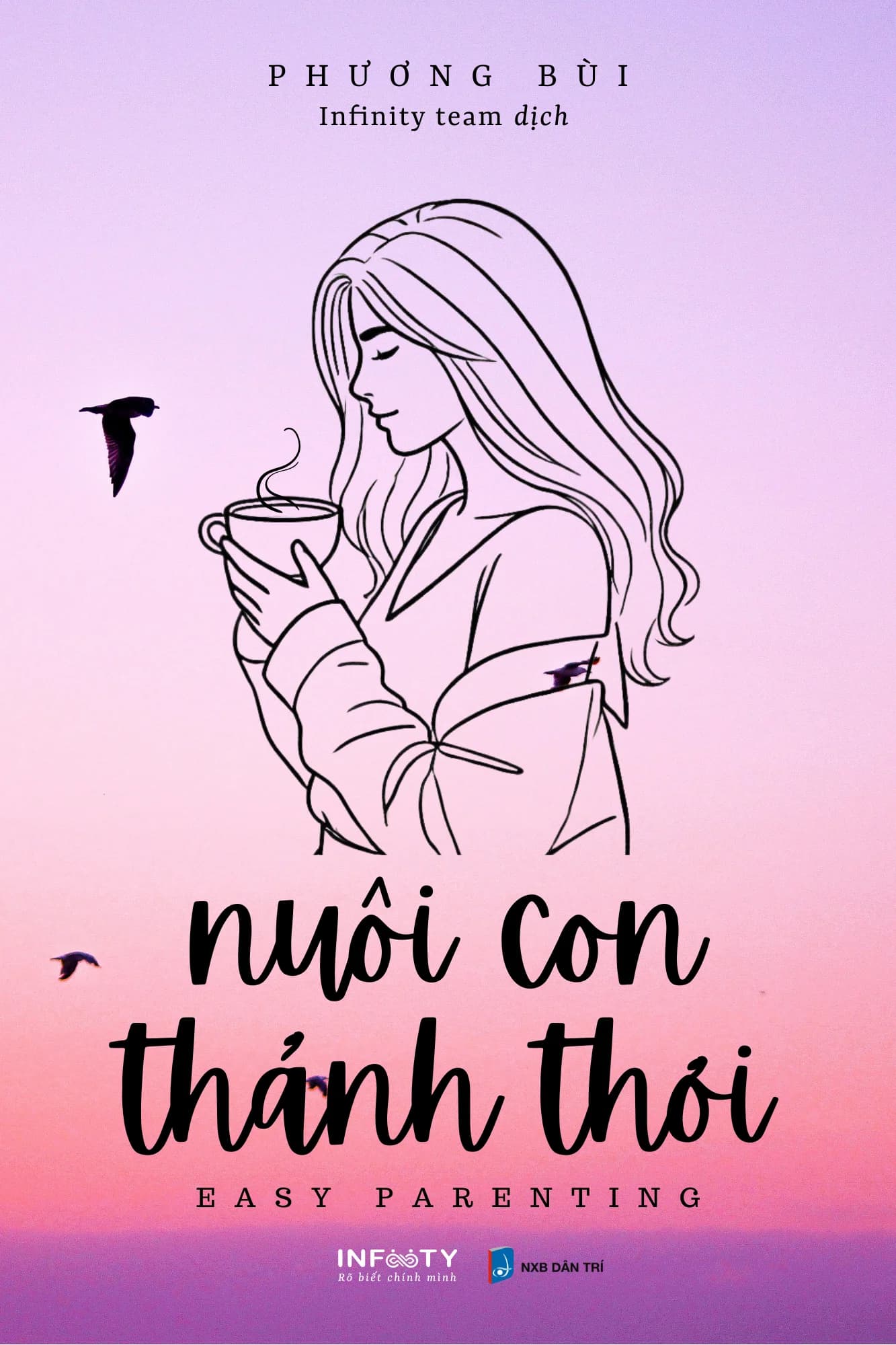
Caring for a child often happens alongside other thoughts: is the child keeping up, am I doing this correctly, what will happen in the future? Nuôi con thảnh thơi (Easy Parenting) directs attention to the parent's experience within these questions. Its material comes from care, play and conversation at home. Drawing on life as a mother of five, Phương Bùi reflects on fear, expectations and personal reactions. This article introduces those themes with editorial reading prompts to compare with your circumstances.
Notice the image you want your child to fit
The book examines expectations and standards adults place on children. A wish for the child's future can carry a specific image of marks, behaviour or progress. When experience differs, attention may settle on the gap between the child and that image. Try recording a recent expectation: what did you want the child to do, what happened and what worried you? This editorial prompt can make a later conversation more specific to what the child currently needs.
When comparison draws attention away from experience
Easy Parenting invites reflection on comparison and standards that can feel self-evident. Looking through another child's achievements may direct attention mainly toward what seems missing. Return to the situation: where is the child finding something difficult, what have they tried and what do they need? These questions offer something to explore together beyond a place in a comparison.
Presence within ordinary routines
The author places mindful observation within everyday family activity. Attention can include sounds, sensations, thoughts and responses while spending time with a child. Choose a familiar activity, such as playing or listening to a story from the child's day. Notice the words, your physical experience and thoughts that take attention elsewhere. This is an editorial way to approach the book through experience. Afterwards, consider whether you heard something you might previously have missed.
Keep the question close to your family
The book's 13 chapters explore the present, fear, expectations and experiences of ease or unease. Begin with a theme close to a current situation, using the Vietnamese–English text to follow its expression. Let a passage remain a question rather than another standard for judging yourself. Observe one moment of listening or reacting, then return to the reading. The related ideas offer further questions about comparison, presence and expectations.