Article
Where the Troubles Lie: Noticing Desire in Everyday Life
By Phuong Bui
Published
A reading guide to Phương Bùi’s reflections on boredom, reluctance and expectations, with questions for observing familiar reactions.
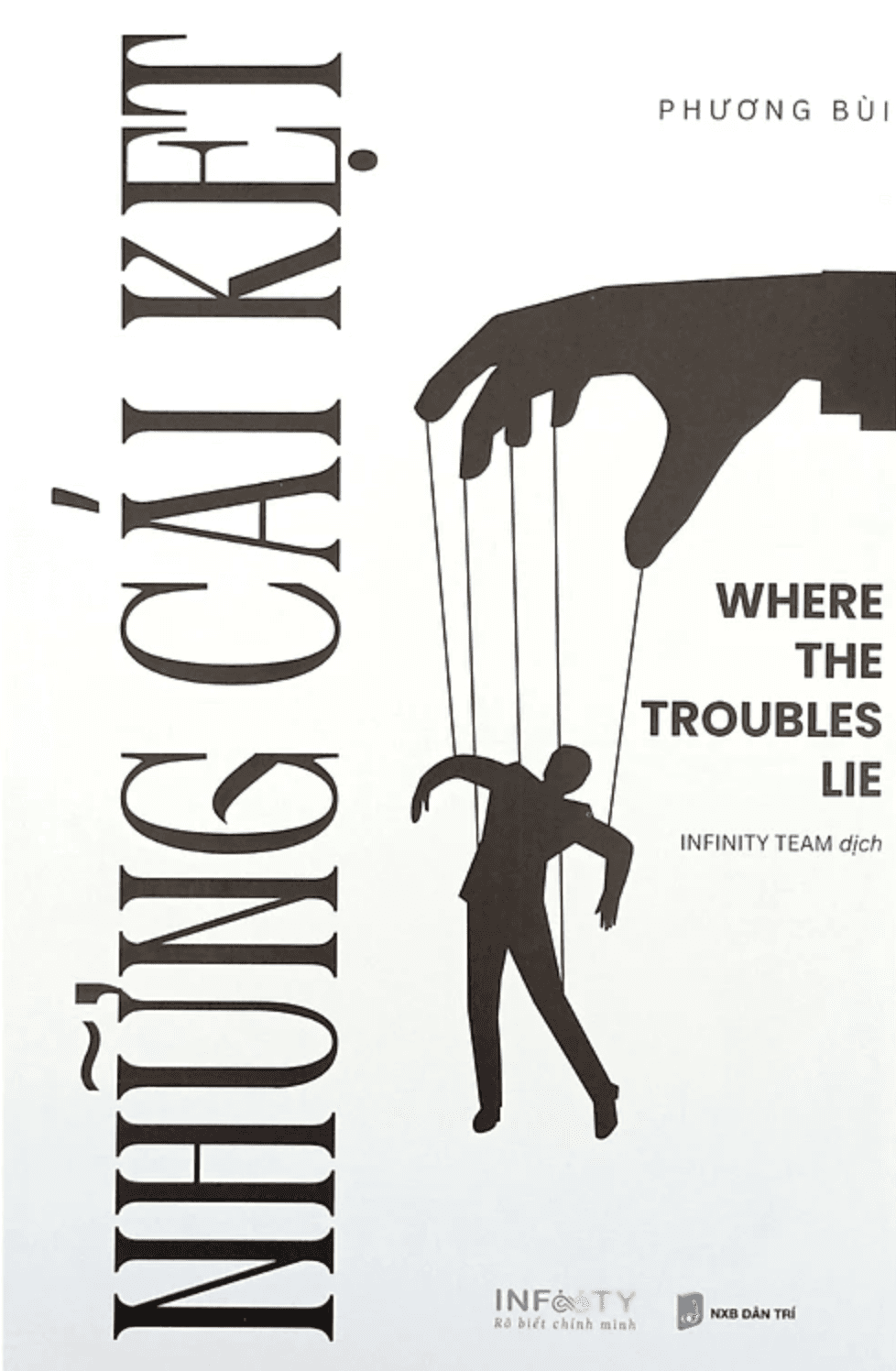
An unmet wish can make an afternoon feel dull. An unstarted task may already seem too difficult. An unexpected answer can be interpreted as a lack of care. Những cái kẹt (Where the Troubles Lie) brings familiar situations into an exploration of thoughts, desire and feelings. After its preface, the Vietnamese–English book covers 18 topics, from boredom and fear to money, children, love and freedom. This article uses three situations to approach its emphasis on observation, followed by questions for reading through personal experience.
When reality differs from what you hoped for
A child feeling bored when a wish goes unmet opens a question for adults too: are we attending to what happened or to the distance between reality and expectation? The book invites observation of desire and the thoughts that follow it. An editorial suggestion is to recall a disappointment. Record what you hoped for, what happened and what you told yourself afterwards. These details provide a specific experience to examine before reaching a general conclusion about the day or your circumstances.
Look closely at reluctance to act
Laziness is one of the book's topics, explored alongside liking, disliking and action. A useful point of inquiry is the experience itself: which thoughts appear when considering a task, and how do you respond? Try choosing one avoided task and noting sensations and inner comments. Then consider a part you can attempt. This is an editorial application. A specific situation provides more material for inquiry than a label applied to your entire character.
Expectations in how we see other people
The reflections on love and relationships examine expectations placed on others. Waiting for a response to match an existing image can lead us to interpret a difference as a statement about the person or their feelings. Revisit a conversation: what was said, what did you hope to hear and what meaning did you add? This article offers these questions for noticing your own expectations. What you find may help you express a need more specifically and understand the other person's perspective.
Read with one experience in mind
Follow the topics in order or return to one close to a recent experience. The short passages and corresponding Vietnamese–English text allow room to pause, compare expression and note what remains unclear. Choose something specific to compare with the reading. Does an observation fit your experience, or is there a detail that invites reconsideration? The related ideas continue with boredom, reluctance to act and expectations in relationships.