Article
Easier Done Than Thought: Beginning While Still Hesitant
By Phuong Bui
Published
Read Phương Bùi’s reflections on waiting, small actions and noticing thoughts while doing something, without adding pressure to feel positive.
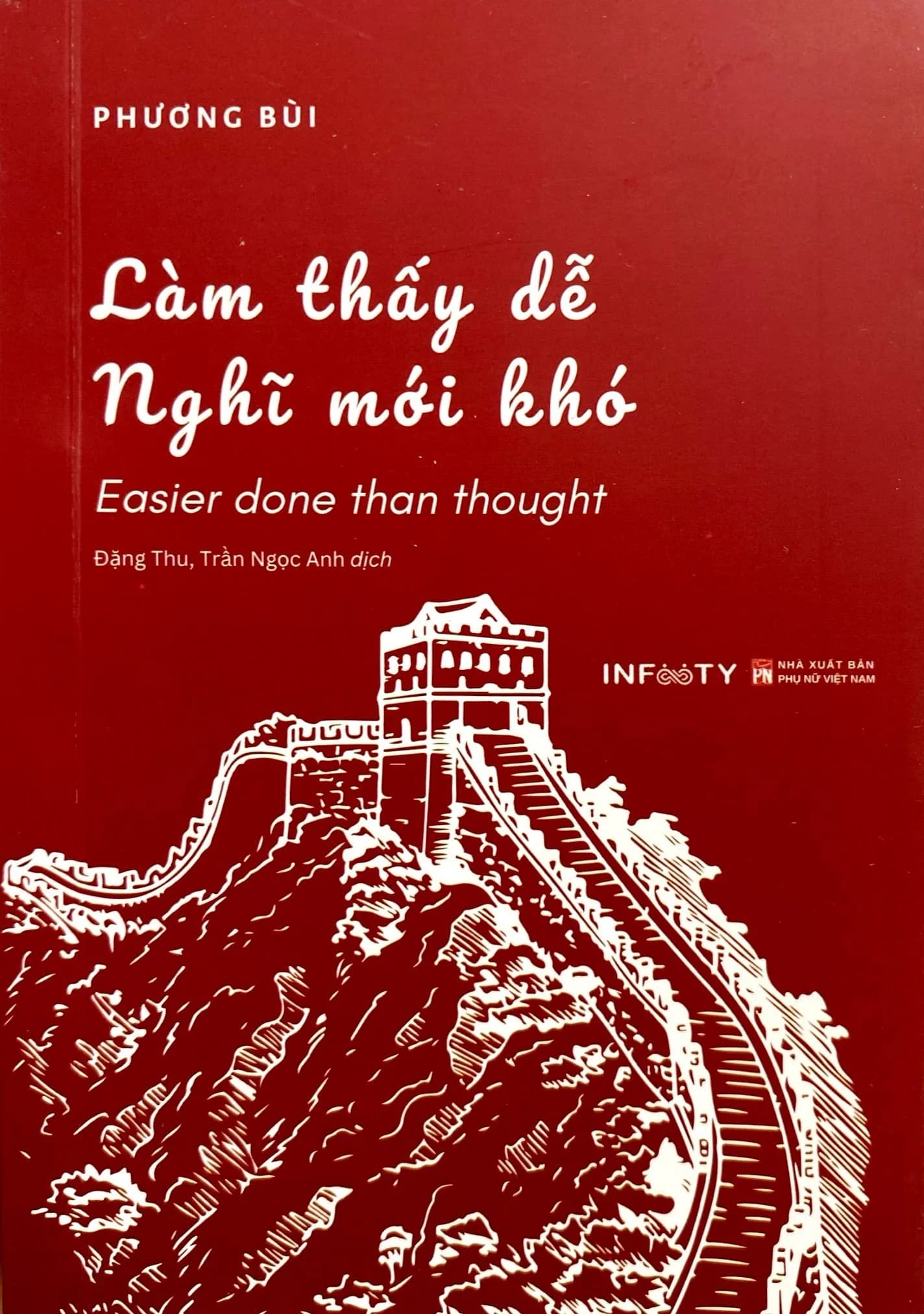
You have something you want to do but keep feeling the time is wrong. Perhaps you need more time, more enthusiasm or a less crowded day. Làm thấy dễ - Nghĩ mới khó (Easier Done Than Thought) begins with the experience of sitting down to write amid thoughts about waiting. Through writing, learning English, playing piano, exercise and family life, Phương Bùi examines reasons for delay. This article follows three reading questions: what conditions are you waiting for, what small action is available and how do you speak to yourself?
What must happen before you begin?
A task can feel burdensome before it starts. Predictions about difficulty, tiredness or fear accompany the thought that you should wait until you are ready. The book invites observation of these thoughts in everyday experience. Try completing the sentence: I will begin when… Then examine which conditions reflect a practical need and which describe an ideal state. This is an editorial reading prompt. Consider your actual circumstances while becoming more specific about what you are waiting for.
A small task to compare with a prediction
In the stories about learning and doing, observation accompanies action. Trying something offers information to compare with what was imagined. Thoughts and feelings during an activity may differ from earlier predictions. An editorial application is to choose a part available in your current circumstances, such as writing a few lines or attempting part of a lesson. Notice comments that arise while doing it. Afterwards, record what happened and what you expected, keeping inquiry connected with a specific experience.
Gentleness toward the thoughts already present
The book also considers self-imposed pressure and using positive thoughts to cover uncomfortable ones. Its approach to observation attends to what appears and how it influences experience. If the thought is that something feels too difficult, notice that comment before trying to replace it with a slogan. Which thoughts continue as you attempt the small part you chose? The question keeps attention close to experience. This article does not present the reading approach as a formula promising to end procrastination.
Keep a short record after trying
After starting, note what you predicted, what happened and what you still want to understand. This editorial suggestion offers a way to continue comparing the reading with experience. The Vietnamese–English text and short passages suit returning to the book. Revisit a part close to your situation and consider whether action has changed your understanding. The related ideas explore waiting for readiness, small tasks and pressure to think positively.