Article
Self-Directed Learning: Start with a Real Problem
By Phuong Bui
Published
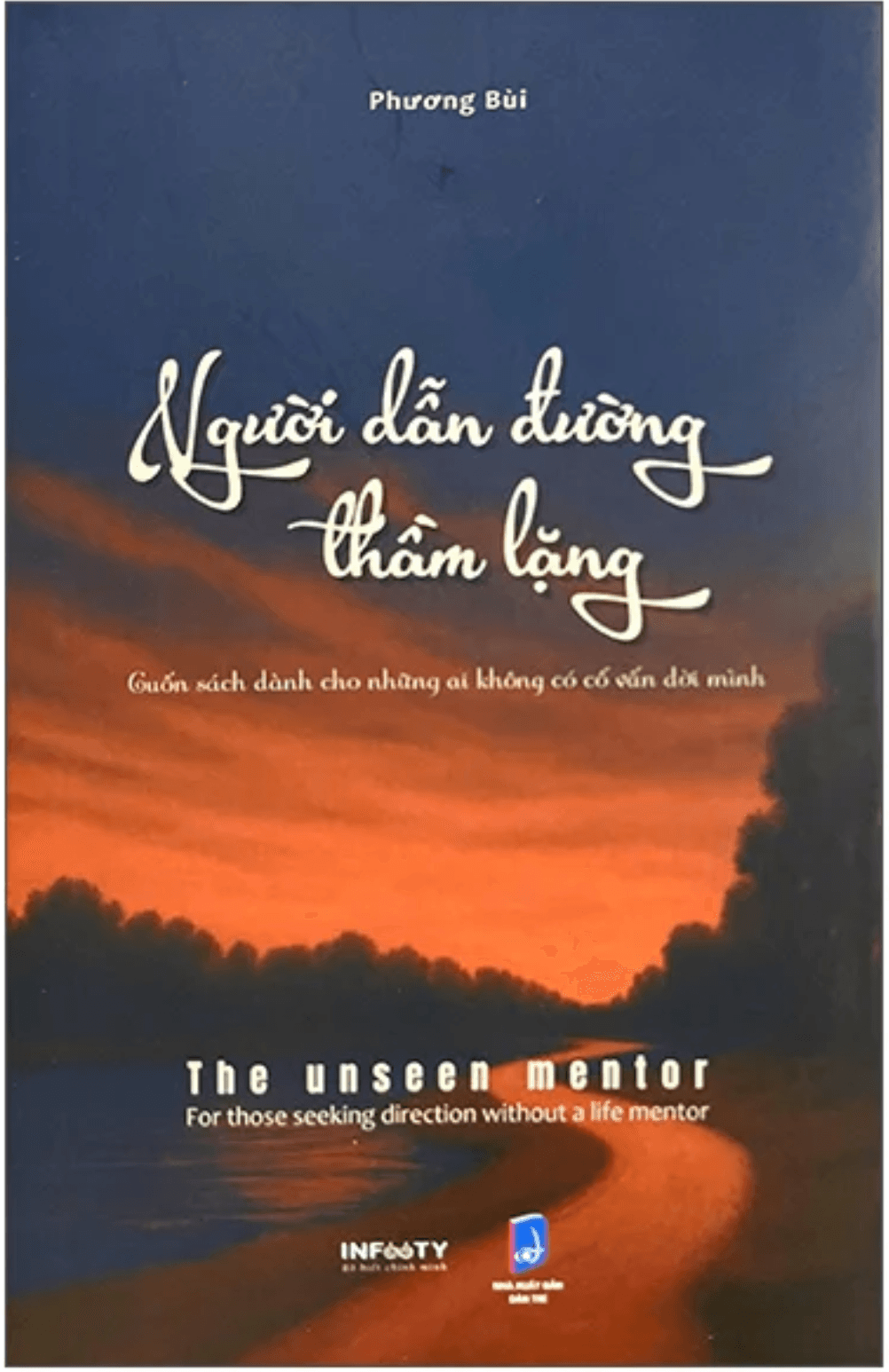
Drawing on Chapter 8 of Unseen Mentor, explore how to identify a learning need, choose a resource, try a small task and learn from feedback.
You want to learn another skill, save many resources and start several courses, yet still do not know where to begin. Chapter 8 of Unseen Mentor suggests a closer starting point: notice what life currently requires and recognize what you do not yet know. This article proposes applying that theme to a small task. The steps and examples are editorial suggestions that readers can adapt to their time, tools and access to support.
Define the problem before choosing materials
Chapter 8 discusses recognizing what is missing and exploring what you need. You might replace a broad wish, such as learning communication skills, with a specific situation: you often leave meetings unsure what you are supposed to do. As the problem becomes more specific, the learning need may become clearer: recording requirements, asking clarifying questions or summarizing conclusions. Choose a situation that occurs regularly, so you have opportunities to try what you learn and review the results.
Choose a suitable source to begin
The chapter on independent learning treats finding and filtering information as a skill. When considering a resource, ask what level it is intended for, whether it explains its reasoning and whether its examples relate to your task. You can begin with one source, try to understand and apply it, and look further when you find gaps. Saving materials becomes more useful when you know which question each source helps answer. This is the approach to organizing learning suggested by this article.
Try a small result you can review
If you are learning to confirm work requirements, try writing a summary after a discussion: the task, the person responsible and the agreed deadline. Then ask those involved whether you have understood correctly. A small result gives you a point of comparison between what you read and what you did. If something is still wrong or missing, you have a specific question to explore next. This cycle of trying, correcting and repeating is close to Chapter 8’s description of independent learning.
Seek feedback while keeping your own question
Even without someone following your entire journey, you may find someone who can comment on a particular task. Explain what you tried, what you have not understood and where you would like feedback. This gives the person you ask enough context to help. You can also read Chapter 6 on listening and Chapter 13 on understanding yourself before seeking advice. When receiving feedback, check that you have understood it, then consider it in your actual circumstances. You can learn from others while choosing your own next step.
Review before adding more goals
After a few attempts, record what you managed to do, recurring mistakes and new questions. If practice is difficult to sustain, consider whether the task is too large or poorly connected to your current needs. You can make the next attempt smaller and more suitable. Independent learning in Unseen Mentor is connected with observation, questions and adjustment. One way to begin is to read Chapter 8, choose a real problem and try something small enough to review. You do not need a complete roadmap before taking the first step.