Article
Unseen Mentor: Finding Direction Without a Personal Mentor
By Phuong Bui
Published
A reading guide to Phương Bùi’s 16 chapters on self-understanding, independent learning and making choices when you have no personal mentor.
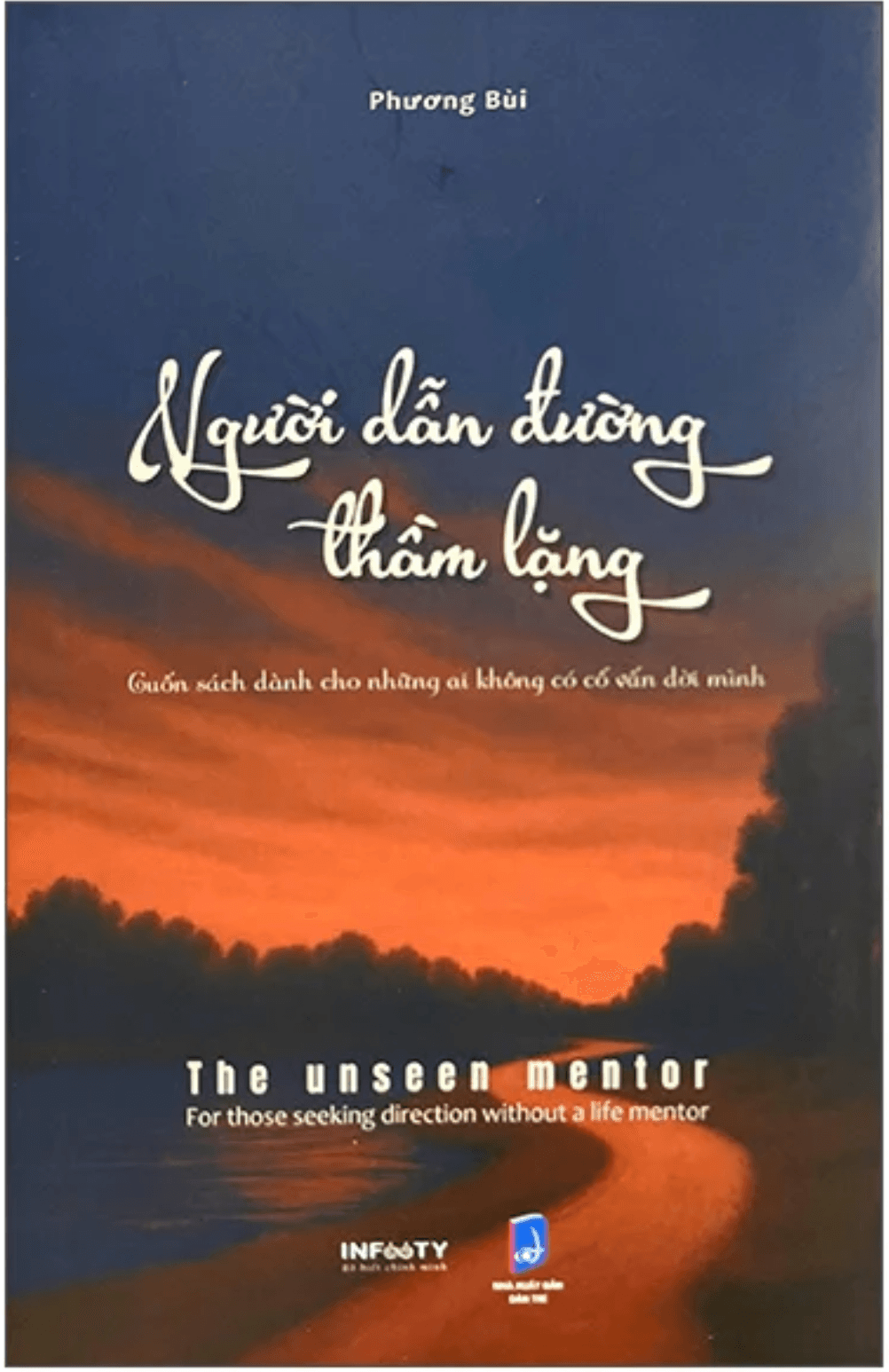
There is plenty of advice to consult, yet you still do not know which step to take: this is a situation Unseen Mentor directly addresses. Phương Bùi writes for people without advisers or advantages, or those who feel caught between expectations. The book has 16 chapters in four parts. You can follow its progression as a process: review your circumstances, identify skills to learn, develop the ability to move forward and return to self-understanding before each decision.
Start with your actual circumstances
The first part asks questions about the self in a world with many inequalities. Chapter 1 directs attention toward choices still available, while the introduction acknowledges the role of guidance and supportive conditions. One way to read is to record your real resources and limits. How much time do you have, what do you already know and whom can you ask? This record connects the question of direction with specific circumstances. People have different starting points, so a suitable step needs individual consideration.
Learn skills through a problem close to you
The second part covers recognition, communication, thinking about money and independent learning. Chapter 6 emphasizes listening in conversation; Chapter 8 suggests recognizing a gap, exploring, trying and correcting. Instead of beginning with an excessively long list of skills, you can choose a problem you currently face. If you often misunderstand work requirements, you might start with listening, asking again and confirming what needs to be done. This is an application suggested by the article, drawing on two themes in the book.
Use questions to reconsider your direction
Chapter 11 focuses on asking questions, paying attention to your own experience and motivation. Questions can help examine what seems clear: why am I doing this, where does my understanding fall short and what information might change my view? Try keeping a question in a notebook and returning to it after a specific experience. The answer may change as more information becomes available. Taking notes this way supports active reading and helps avoid turning a statement in the book into a fixed conclusion for every situation.
Understand yourself to receive more useful support
The final part introduces becoming your own adviser. In Chapter 13, the invitation to befriend yourself comes before seeking advice: recognizing what you need and fear can make a conversation less vague. You can still seek someone with relevant experience or expertise. Before asking, explain the choice you are considering and what you want help understanding. Self-direction and receiving support can go together; decisions need to be considered in the circumstances of the person making them.
Choose one chapter and one small step
If you are new to the book, you can read the four parts in order. If you have a clear problem, read the relevant chapter, note a question and choose a small action to try. Then return to see how the reading fits your experience. Unseen Mentor is Phương Bùi’s Vietnamese-language ebook on Infinity Books. It offers a starting point for exploring your situation and continuing to learn. Your reading can be slow, as long as its questions remain connected with what is actually happening in your life.