Article
Mindful Observation at Work: From Email to Meetings
By Phuong Bui
Published Updated
Difficult emails, tense meetings and competing tasks offer opportunities to notice reactions, listen closely and pause in ways that fit real work.
You open a sharply worded email and immediately want to reply to make clear that you are right. In a meeting, you hear half a sentence but are already preparing a counterargument. Work involves external tasks and many internal reactions. Mindful observation at work begins by noticing those reactions as they happen.
A difficult email: notice the content and your reaction
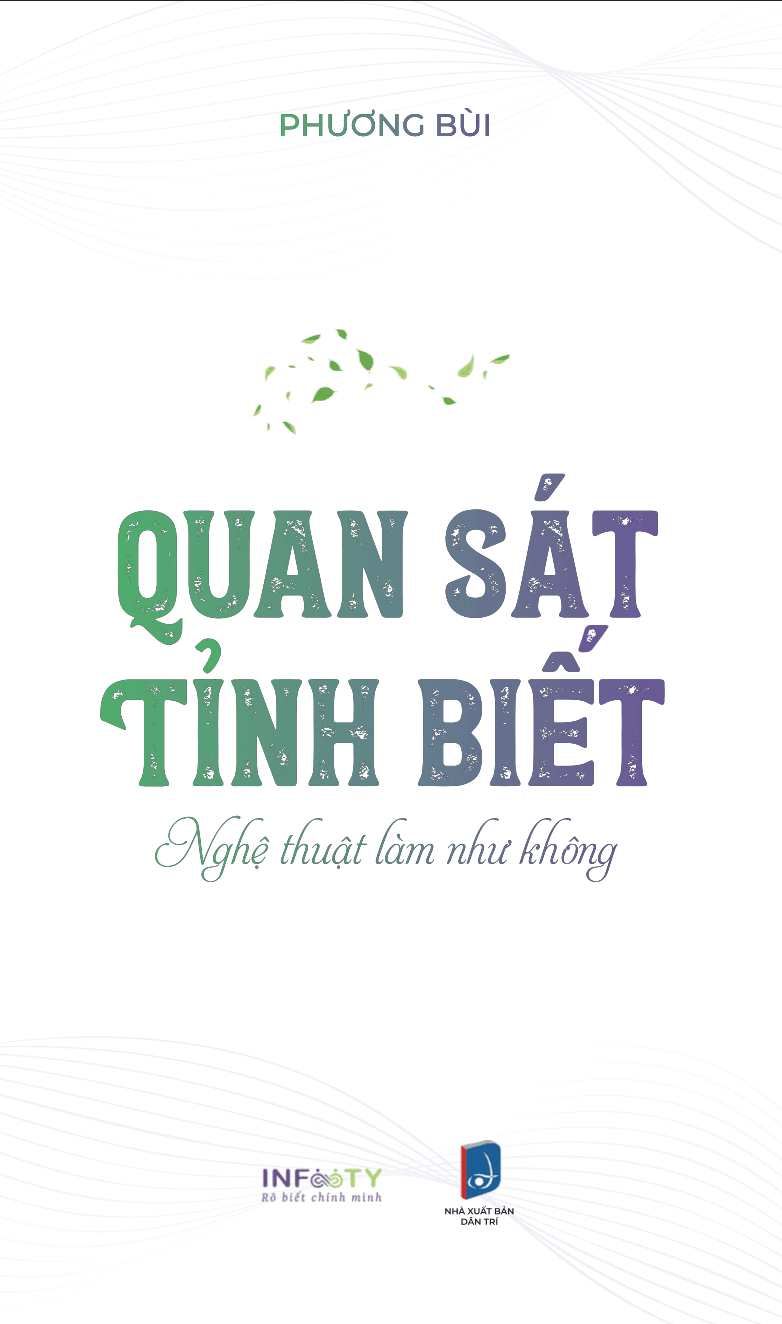
In Mindful Observation — The Art of Effortless Action, Phương Bùi describes wanting to write a sharp email to defend a position. The author uses that experience to explore the difference between resolving a problem and trying to prove oneself right. Readers can try this distinction in a similar situation without assuming they know the sender’s motives.
- Read the actual content: what are they requesting, reporting or asking?
- Notice your reaction: rapid typing, tense shoulders, an urge to retaliate or defend yourself.
- When work permits, allow a pause before sending.
- Focus the reply on what needs clarification, with a question or specific next step.
A pause does not mean delaying everything. Urgent information, safety requirements or customer commitments may need a timely response. You can acknowledge receipt, take the necessary step and give a time for answering what requires further checking. Clarity about the work matters more than appearing calm.
In a meeting: listen before preparing a reply
You can begin a meeting by noticing your posture and reviewing its purpose. As others speak, attend to the content and notice the urge to interrupt. Ask again if you do not understand, rather than concluding too quickly. Listening with mindful observation can include difficult questions or disagreement, but requires hearing enough to know what you are responding to.
When receiving feedback, distinguish facts to check from inferences about your personal worth. “The plan has no fallback option” differs from “They think I am incompetent.” Observation also does not require accepting insulting language. You can set boundaries, bring the discussion back to the issue or seek appropriate support within the organization.
Among many tasks: pauses that fit
- Before starting work, notice your current state and the important task ahead.
- Between tasks, check your posture and thoughts lingering from the previous activity.
- During a meal or break, attend to the activity taking place when conditions permit.
- At the end of the day, acknowledge completed work, what remains and the need for rest.
The book suggests stopping points during the day and brief periods of observation. Choose what suits your work rhythm rather than imposing a rigid schedule. In a group setting, a pause should be a voluntary invitation; participants need not close their eyes or share private experiences to prove they are being mindful.
Mindful observation at work does not replace staffing decisions, clear responsibilities or reducing an unreasonable workload. It adds a perspective: am I acting on the task’s real requirements or being pulled along by a reaction? In the spirit of effortless action, you still fulfill your responsibilities while gaining opportunities to listen, adjust and recognize limits.