
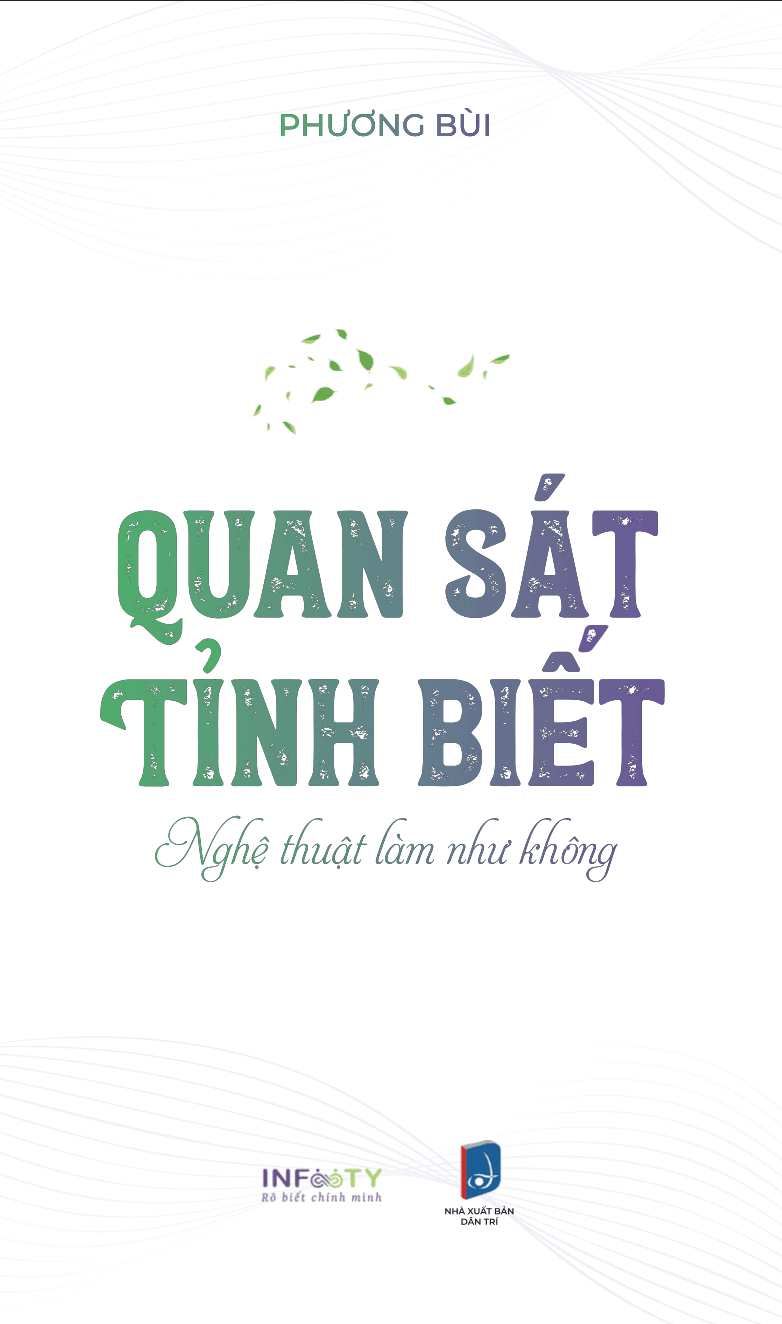
Aware Observation
The Art of Doing Without Striving
By Phuong Bui
You will sign in with your email first.
Read online once payment is confirmed. You sign in with an email link, and bank transfers are opened after we confirm them.
Paperback
Buy the printed book at:
Also in a bundle
- Enoughness and Presence at Work
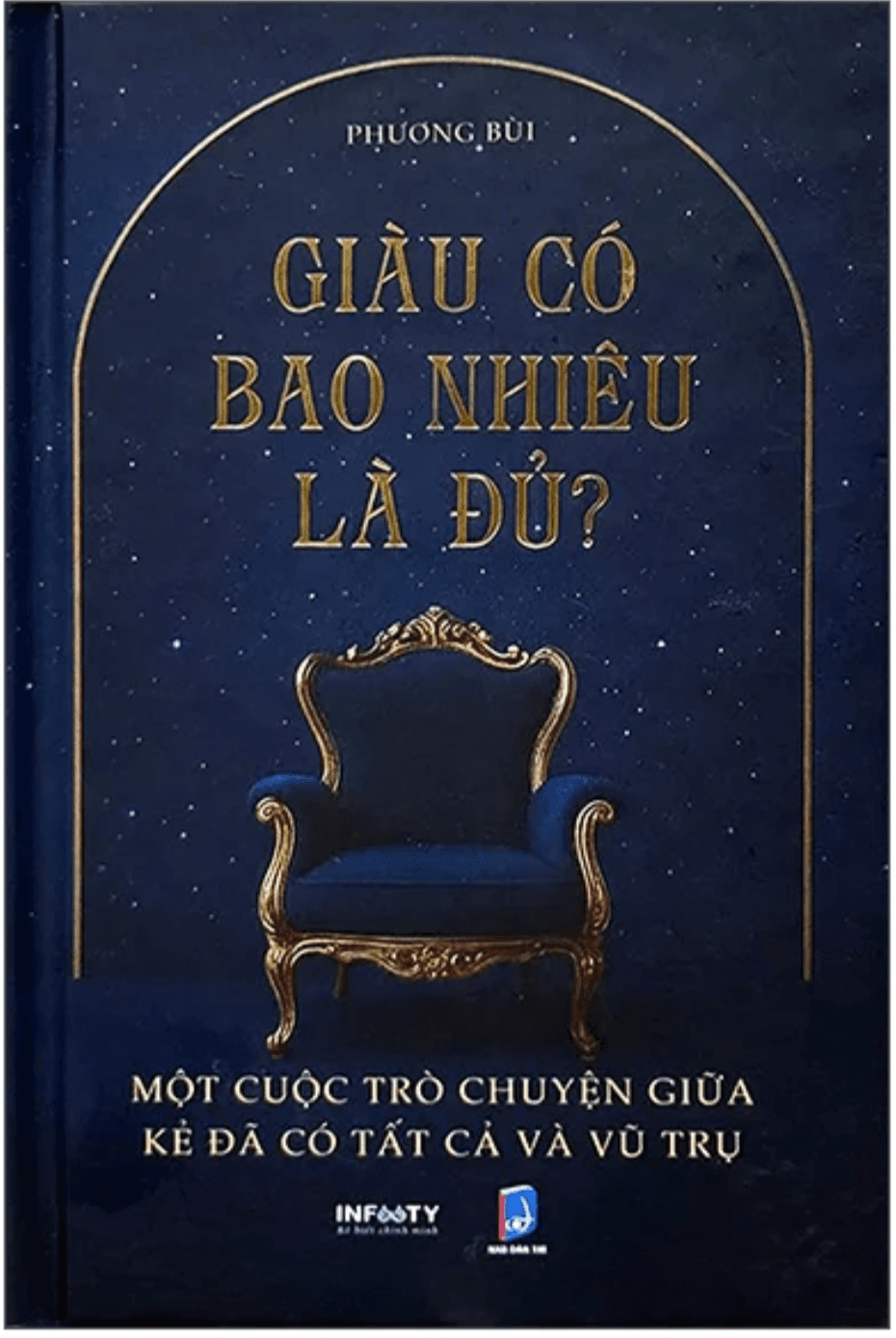
2 books
How Much Wealth Is Enough? · Aware Observation
₫193,000
Quan Sát Tỉnh Biết is a book about living and working wholeheartedly without strain, and without letting emotions, thoughts, or pressure take control. By observing the body, emotions, mind, and surroundings in everyday life, readers learn to be fully present, act with clarity, and preserve inner freedom.
You can be hardworking, responsible, and highly productive, yet still feel exhausted, empty, or constantly swept along by life. Quan Sát Tỉnh Biết begins with this paradox and offers a different path: instead of simply doing less, it invites you to change the way you are present while doing. In the book, “aware observation” means seeing clearly what is happening in your body, emotions, thoughts, and the world around you exactly as it is—without immediately analyzing, judging, fixing, or following it. When you can notice anger, anxiety, bodily tension, or repetitive mental stories as they arise, you create enough space to stop reacting automatically. From there, the book develops the idea of “doing as if not doing”: you continue working, attending meetings, making decisions, caring for your family, and pursuing goals, but without allowing work or outcomes to dominate your inner world. “Not controlling” does not mean giving up. You can still have a clear destination without trying to control every step of the journey. The book moves from observing the body, emotions, mind, and external surroundings to applying awareness in communication, work, leadership, and organizational culture. It also includes a 21-day “Doing Without Striving” practice program and a workplace awareness checklist to help readers turn the ideas into daily practice. The goal is not to give you yet another method that you must perform perfectly. It is to rediscover an awareness that is already present. You will still work, love, feel angry or sad, and encounter things that do not go your way—but you no longer have to be carried away by everything that happens.
Who it is for
People who are constantly busy and productive yet still feel exhausted, unfulfilled, or empty. People under pressure from work, deadlines, KPIs, expectations, or the need to prove their worth. People who are easily carried away by emotions, anxiety, comparison, repetitive thoughts, or automatic reactions. People who want to live with greater awareness without withdrawing from work, family, or ordinary life. Managers and leaders who want to build teams that work deeply with less emotional reactivity and less micromanagement. People looking for a way of living that is deep, light, and practical rather than another set of motivational theories or positive-thinking techniques.
Key ideas
- 01
Aware Observation
See the body, emotions, thoughts, and surroundings as they are without immediately judging, analyzing, or interfering.
- 02
Exhaustion Comes From How We Work
We are often drained not only by the amount of work, but by anxiety, control, self-proving, and the mental stories running while we work.
- 03
Doing Without Striving
Continue taking action and fulfilling responsibilities without letting work, pressure, or outcomes take over your mind.
- 04
See Before You Fix
Awareness does not begin by eliminating difficult emotions or negative thoughts, but by seeing them clearly as they arise.
- 05
Feel Without Being Carried Away
You can still feel anger, sadness, or anxiety without automatically turning those emotions into impulsive actions.
- 06
The Body Is a Gateway to Awareness
Breathing, shoulder tension, heartbeat, and physical sensations can reveal emotions before they become automatic reactions.
- 07
Observe the Stories of the Mind
The mind constantly analyzes, labels, interprets, and creates stories. Seeing this process helps you stop identifying completely with your thoughts.
- 08
In Seeing, Just See
Experience the world directly without immediately turning what you see into judgments, assumptions, or narratives.
- 09
Not Controlling Is Not Giving Up
Set clear goals without trying to control the entire path. Stay aware, respond, and adapt to what actually happens.
- 10
Pauses Create Freedom
Short pauses during the day can interrupt continuous mental activity and bring your attention back to the present.
- 11
Leadership Begins With Presence
An aware leader does not immediately react to problems, communicates clearly, and shapes culture through the way they live and act.
Questions and answers
What is “Quan Sát Tỉnh Biết”?
It is the ability to clearly see what is happening inside and outside you as it is, without being swept away by it and without immediately judging, analyzing, or trying to change it.
Does “doing without striving” mean doing nothing or abandoning responsibilities?
No. It means continuing to do what needs to be done without allowing work, pressure, or outcomes to control you. The book does not advocate passivity or simply doing less.
Is aware observation the same as meditation?
Not exactly. As presented in the book, awareness is not restricted to formal meditation or a particular environment. It can happen while you are working, attending a meeting, driving, doing housework, or having an argument.
Does awareness mean controlling your emotions?
No. The book emphasizes noticing emotions without immediately suppressing, changing, or replacing them with positive thoughts. The aim is to feel emotions without being controlled by them.
Is this book suitable for very busy people?
Yes. Many examples and practices are designed for real working situations such as meetings, emails, deadlines, decision-making, and conflict. The book also includes a practical workplace checklist.
Does the book include practical exercises?
Yes. The appendix includes a 21-day practice journey covering breath awareness, listening without interrupting, single-tasking, observing emotions, creating empty space in your schedule, and spending a full day noticing when you are forcing yourself or others.
Can aware observation be applied in business and organizations?
Yes. The book includes dedicated sections on leadership, organizational culture, and an “awareness schedule,” with the aim of helping teams work with greater focus, less reactivity, fewer conflicts, and more sustainable energy.
What is the central message of the book?
Awareness should not become another task you force yourself to perform. The essence is to return to the life happening now, see clearly what is present, and stop allowing the ego, emotions, and mind to continuously pull you away.
Ideas and articles about this book
Idea
Does effortless action mean doing nothing?No. In the book, effortless action means acting and fulfilling your part with presence while adding less strain, pressure to prove yourself and unnecessary reaction. It does not mean giving up or avoiding responsibility.
Idea
How can I begin mindful observation in everyday life?Choose a familiar activity such as drinking water, washing dishes or listening, then notice the body, thoughts and surroundings. In Mindful Observation, ordinary moments provide a starting point without ideal conditions.
Idea
How can I observe body, mind and surroundings while working?Begin within the task: notice posture and breathing, recognize emotions and thoughts, then attend to what is actually happening around you. Mindful observation does not require withdrawing from work.
Idea
How can I use mindful observation when receiving criticism?Listen to what is said, notice reactions in body and mind, and distinguish feedback from your own inferences. A pause creates room to ask questions, receive useful points or set boundaries.
Idea
Is mindful observation about controlling emotions?In the book, mindful observation begins by seeing an emotion as it is, without forcing it away or demanding positivity. Awareness does not mean following every impulse; we remain responsible for our actions.
Idea
What is mindful observation?For Phương Bùi, mindful observation means seeing the body, emotions, thoughts and surroundings as they occur, without rushing into judgment or familiar reactions. This awareness can be present in everyday activities.
Article
Mindful Observation: Seeing Yourself Clearly in Daily LifeAn introduction to Phương Bùi’s view of noticing the body, emotions, thoughts and surroundings, with everyday situations for exploring the practice.
Article
The Art of Effortless Action: Working Without StrainExplore acting with presence while taking responsibility, noticing how the need to prove yourself, protect an image or control outcomes can add strain.
Article
Mindful Observation at Work: From Email to MeetingsDifficult emails, tense meetings and competing tasks offer opportunities to notice reactions, listen closely and pause in ways that fit real work.
Reader reviews
No reviews yet.